

The Power We Give to Luck
Casinos are temples of chance, but step inside and you’ll see something else at work: rituals, habits, and full blown superstition. People walk in with rabbit’s feet, wear their “winning” shirt, avoid certain tables or even walk around slot machines three times before pulling the lever. It looks quirky from the outside. Inside, it feels personal.
So why do these beliefs stick? Simple: the games are unpredictable, the stakes are emotional, and humans hate chaos. Superstitions offer a placebo effect for control. Whether it’s tapping the dice a certain way or sitting in a “lucky” seat, these minor rituals calm nerves and provide a sense of agency even if they don’t actually tilt the odds.
Historically, gamblers have always clung to something. Roman dice players had good luck chants. Chinese gamblers tied red ribbons to their wrists or wore jade pieces. Even modern day poker professionals carry subtle habits, some bordering on ritual. The need to feel like you’re doing something in the face of blind chance goes back centuries.
Are these methods reliable? Not really. But are they deeply human? Definitely. The line between psychology and superstition in gambling isn’t always clean and most players are okay with that.
Lucky Charms and Rituals
Casino floors are filled with more than just chips and cards they’re often lined with personal talismans and secret pre game rituals. From rabbit’s feet to red underwear, many gamblers bring personal traditions to the table, but do these objects really influence the outcome?
Popular Good Luck Items People Swear By
Some of the most common good luck charms include:
Rabbit’s feet: A long held sign of fortune dating back to Celtic origins
Lucky coins: Often carried or held during games for a sense of security or nostalgic personal value
Red underwear: Worn especially in many Asian cultures, red symbolizes fortune and good energy
Special clothing or jewelry: Shoes, hats, or necklaces believed to carry past winning energy
These superstitions are less about logic and more about personal belief and comfort giving players a psychological edge, if not a statistical one.
Superstition vs. Strategy: What Science and Professionals Say
While some players swear these items lead to better results, experts and psychologists point out that:
Superstitions offer emotional regulation during stressful games
Believing in luck can boost confidence but not odds
Professional players rarely rely on charms instead, they focus on skill, experience, and discipline
The takeaway? Lucky items may enhance mood or ritual, but they don’t replace strategy.
Cultural Spins on Luck
Luck means different things around the world, and so do the items believed to attract it:
China: Red is an auspicious color, explaining traditions like red underwear or accessories in casinos
Italy: Personal rituals like touching wood or carrying a corno (horn shaped pendant) are seen as protective
United States: Crossing fingers or knocking on wood has become standard superstition behavior
Japan: The maneki neko (beckoning cat) is often associated with good fortune, even used in gaming spaces
Understanding these traditions gives insight into the global psychology of gaming and reminds us superstition is a universal comfort.
Want to Explore More?
For a deeper dive into the world of gambling beliefs and how they play out at the tables, visit: Exploring Gambling Superstitions Are They Fact or Fiction?
Numbers That Win or Curse You
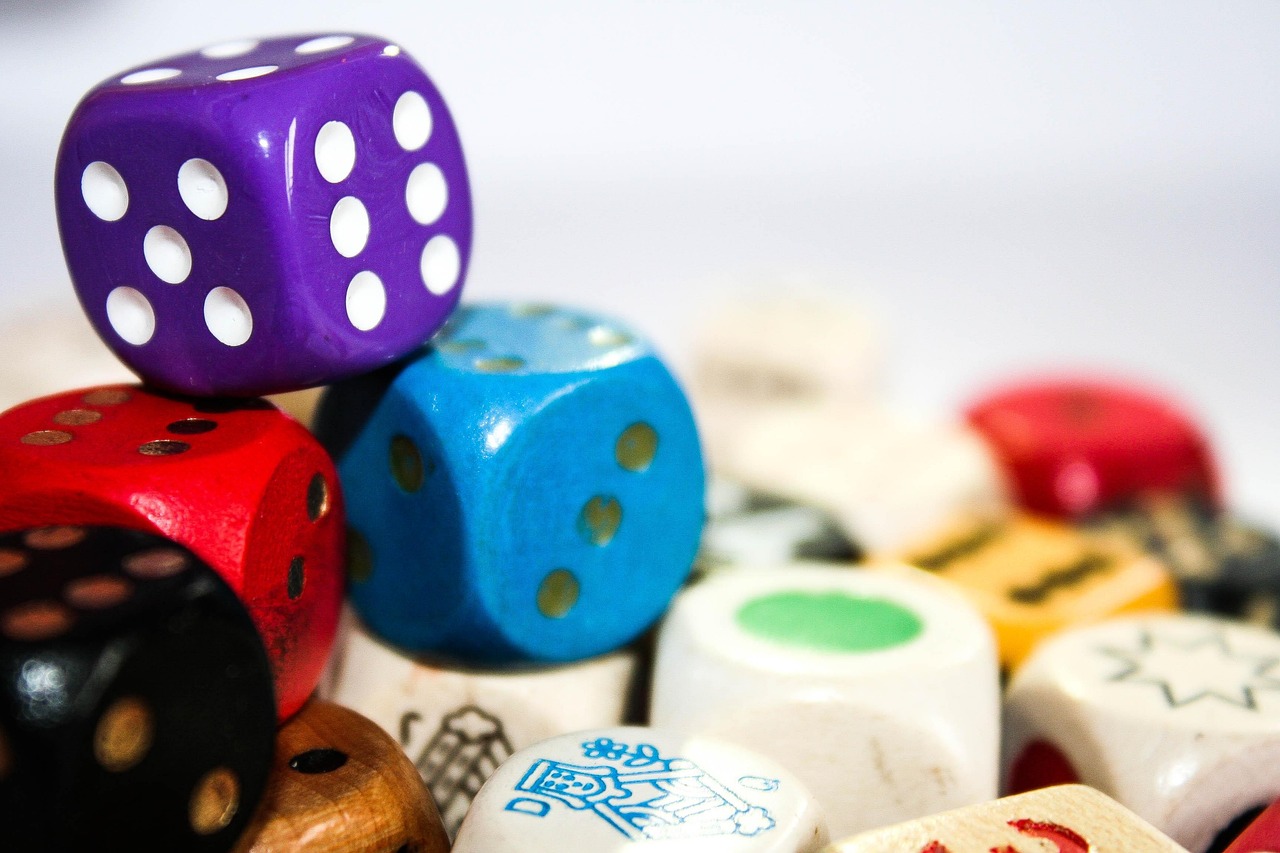
The fascination with numbers runs deep in casino culture. Ask almost anyone on the floor, and they’ll say 7 is lucky. Why? It’s everywhere 7 days in a week, 7 seas, even 7s on a slot machine jackpot. On the flip side, 13 carries a long legacy of bad vibes, tied to ancient mythology and old superstitions. Many hotels skip floor 13 entirely. For some gamblers, sitting at a table with thirteen chips is enough to throw off their whole game.
But here’s the thing: roulette wheels don’t care. Neither do dice or digital slot machines. Each spin, roll, or draw is an independent event. That means outcomes are pure randomness, not part of a secret cosmic pattern. Probability doesn’t play favorites. A roulette ball landing on 7 ten times doesn’t make 13 more likely next round it just means randomness is doing its job.
Still, the pull of patterns is strong. Humans are wired that way. We see streaks where there are none, assign meaning to coincidences, and chase numbers we feel attached to. For some, it’s part of the fun. For others, it’s a slippery slope that blurs logic.
In games like roulette, betting on a “lucky” number can be harmless entertainment or a costly illusion. Probability remains the only law that holds weight here, no matter what folklore says.
Casino Etiquette or Just Urban Legend?
Some habits at the table aren’t about odds they’re about vibes, reputation, and a little bit of folklore.
Take whistling at a roulette table. In some older casinos, especially in Europe, this was seen as a serious faux pas. Not because the sound changes the wheel’s physics it’s just loud, distracting, and historically tied to shady characters. In short: it’s a no. Dealers won’t toss you out for it anymore, but you’ll definitely earn side eye from traditionalists.
Then there’s the money counting taboo. Pulling out a wad of bills and thumbing through it at the table isn’t just considered bad luck it’s bad form. Superstition says it tempts fate. Practically, it slows the game and comes off flashy or insecure. If you want to square up or see where you stand, step away from the felt.
Now, about seat superstitions especially in poker. Some claim certain spots at the table are snakebitten, unlucky for days on end. But statistically, it’s nonsense. Seats cycle through the same odds. Still, the mental edge matters. If one corner has seen six bust outs in an hour, players avoid it. Not because it’s cursed but because no one wants to inherit tilted energy.
These aren’t rules written on casino walls but they live in the culture. What’s real and what’s myth? Doesn’t matter, if you’re sitting next to someone who swears by it.
When Superstition Gets in the Way
Superstitions might add some mystery or ritual to a gambler’s routine, but there’s a line where belief can begin to cloud judgment and that’s when the real danger begins.
Costly Beliefs: When Myths Turn Expensive
Some players have chased superstition so far, they’ve drained their bankrolls chasing a ‘lucky’ number or refusing to walk away during an apparently ‘cursed’ streak. These stories aren’t rare:
Gamblers continuing to bet on 13 because they believe it’ll finally hit
Players refusing to sit at certain roulette tables labeled as unlucky
High stakes poker players convinced their luck changed with particular clothing or jewelry
These aren’t just quirky stories they’re warnings.
Strategy vs. Superstition: Drawing a Line
Professional gamblers take a very different approach. While they may acknowledge rituals, they rarely let them guide serious decisions. Instead, they focus on:
Probability based tactics: Knowing odds and payout structures
Bankroll management: Setting loss limits and sticking to them
Emotional regulation: Knowing when to walk away, win or lose
Successful players don’t deny luck exists but they also know it can’t be controlled.
Mastering the Mental Game
Letting emotions fuel gameplay is a fast track to poor decisions. To avoid that trap, serious players use mental tools such as:
Mindfulness: Being aware of emotional shifts during play
Pre determined exit plans: Knowing when the session ends before it starts
Journaling results: Tracking wins and losses over emotion and memory
These practices help gamblers stay grounded, especially in high stakes environments.
Want to Know More?
Curious about which superstitions are worth knowing and which to leave behind? Dive deeper into myth vs reality: gambling superstitions
Skill vs. Superstition: What Really Matters
Superstition may offer comfort, but when it comes to lasting success at the casino, nothing beats strategy. Understanding the math behind the games, managing your money wisely, and knowing when to play (or walk away) are what truly separate casual players from skilled gamblers.
Key Factors That Actually Influence Your Game
Mathematics: Every game has odds. Knowing house edge, expected value, and probability can give you a clearer picture of which games offer better chances.
Timing: While no one can predict outcomes, experienced players know when to leave the table. Timing includes emotional control and realistic win/loss limits.
Bankroll Management: One of the most undervalued skills. Smart players set budgets, stick to them, and avoid chasing losses.
Why Rituals Fall Short
Lucky socks and favorite dealers may boost your confidence, but superstition doesn’t change the math. Professional gamblers agree: mindset matters, but it’s discipline not charm that leads to consistency.
Superstitions create false expectations
Over reliance can distract from actual game mechanics
Discipline ensures you stay in control of your play
Redefining Luck: Be Prepared, Be Strategic
Luck isn’t completely random it often favors the well prepared. When you refine your approach, practice your game, and manage your decisions wisely, you turn the odds slightly in your favor.
Think of luck as what happens when preparation meets opportunity
Replace rituals with knowledge and habit building practices
Strategy doesn’t kill the thrill it actually enhances it
In the end, superstition may offer fun stories, but skill and strategy are what keep you playing smart.
 _____
Bruce Myron – Content Specialist & Myth Buster
Bruce Myron is the storyteller at Play Gambler Cash, specializing in debunking gambling myths and providing clear, accessible insights for the community. With a knack for simplifying complex topics, Bruce ensures that players are equipped with the right knowledge to avoid common pitfalls and maximize their enjoyment.
_____
Bruce Myron – Content Specialist & Myth Buster
Bruce Myron is the storyteller at Play Gambler Cash, specializing in debunking gambling myths and providing clear, accessible insights for the community. With a knack for simplifying complex topics, Bruce ensures that players are equipped with the right knowledge to avoid common pitfalls and maximize their enjoyment.